15:08 Siberia |
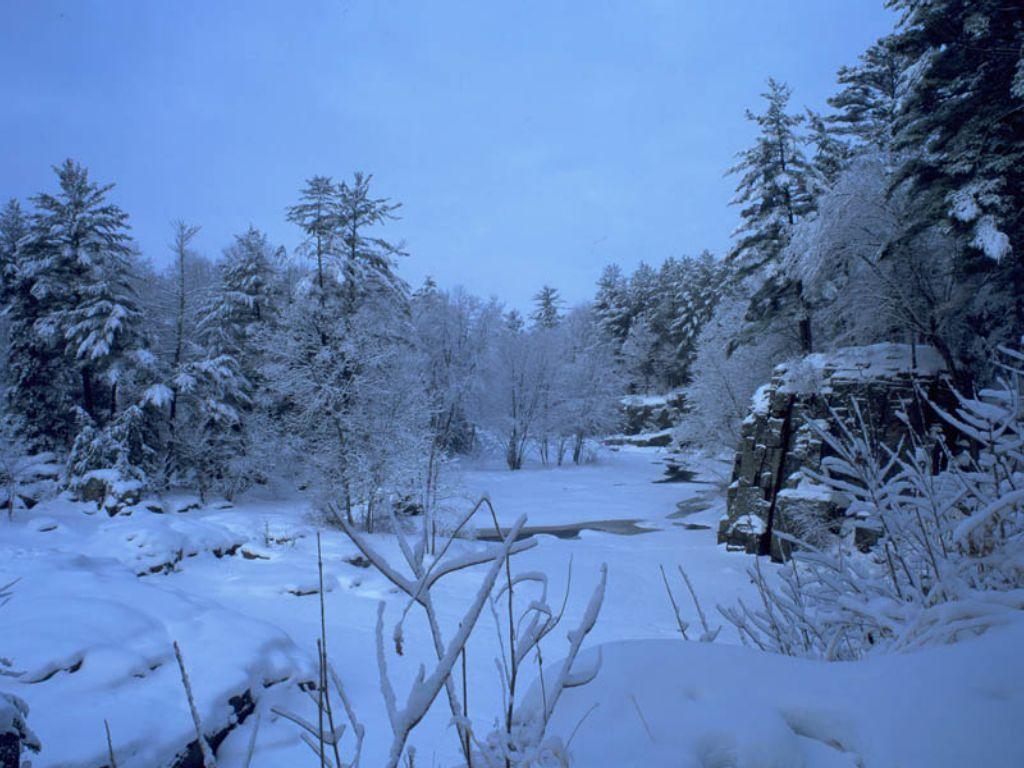 SIBERIA SIBERIA. Siberia occupies a huge territory with a wide variety of climatic conditions and geographic landscapes. Apart from the Russian-speaking Siberians, about one-twentieth of the population consists of aboriginal groups. To better understand the food and meal traditions of the Siberian people, it is necessary to review the geography, climate, and the history of this region. Geography and Climate Siberia occupies about 5.2 million square miles, which roughly corresponds to about 9 percent of Earth's dry land mass. It is bounded by the Ural Mountains in the west and by the Pacific Ocean in the east. To the south lies central Asia, Mongolia, and China, and to the north the Arctic Ocean. For many people Siberia is synonymous with an intensely cold climate, but this image is only partially correct. The climate of most of Siberia is continental, which means there are large temperature differences between summer and winter. The Siberian winter is indeed long and cold, yet summers are fairly warm—warm enough to allow for the cultivation of watermelons in western and southern Siberia. Although there is relatively little precipitation in eastern Siberia, and the winter frost penetrates quite deep, the climate becomes milder and warmer towards the west and south. Due to heavy rainfall, the region is drained by numerous rivers and dotted with lakes filled with a variety of fish. The Siberian northern coastal region along the Arctic Ocean is occupied by a wide strip of arctic tundra, which is inhabited by an enormous population of reindeer. South of this is a vast area of evergreen pine forest, which gradually changes to fertile chernozem (black earth) steppes. The far southeastern part of Siberia, near Manchuria and the Pacific Ocean, consists of subtropical forests. Siberian People and History Much of Siberia (excluding the far north) was united for the first time under the rule of the Mongolian leader Genghis Khan in the beginning of the thirteenth century. Since the Mongolian Empire included China, Persia, and central Asia and stretched as far as Europe, many new culinary ideas from far-off places were introduced. Pelmeni and chaj (tea) are perhaps the most long-lasting remnants of that period. Siberian history of the past four centuries has many parallels with the colonization of the Americas. Colonization of Siberia by tsarist Russia began in the 1580s and ended in 1860 with the founding of Vladivostok on the coast of the Sea of Japan. Most of the population of present-day Siberia consists of a mixture of different immigrant ethnicities and people of various aboriginal backgrounds. Siberians of mixed race and ethnic background refer to themselves as Chaldons and view themselves as an ethnic identity separate from Russian. Siberia was colonized and settled by a variety of European ethnic groups rather than just by the Russians. During the seventeenth century, settlers included Russians, Komi peoples, Lithuanians, Ukrainians, and Byelorussians, and small numbers of Germans, Greeks, and even a few baptized Tartars and Turks. Later on, there were waves of other immigrants, some of whom were exiled forcibly. These included Swedish prisoners of war, German and other European technical specialists, Polish, Lithuanian, Byelorussian, Ukrainian, and Jewish exiles from rebellious Polish territories, as well as settlers who came from the central regions of Russia, Ukraine, and Byelorussia after the abolishment of serfdom in 1861. Colonization was especially intensive during the construction of the Trans-Siberian railway (1891–1905). The population of Siberia reached almost ten million people by 1914. Since the political exiles who came to Siberia in the nineteenth century were generally well educated, many of them became involved in the improvement of truck farming, grain growing, the cultivation of oil-yielding crops (such as hemp), and the introduction of new vegetables and modern methods of cultivation. Each of the immigrant groups brought something of their own cookery to the big Siberian stewpot, thus enriching what is now called Siberian cuisine. For example, Korean spicy carrot salads, stuffed fish baked in the oven, and stewed sour cabbage and pork became Siberian national dishes. Prior to Russian colonization of Siberia, local ethnic groups of various origins populated the region, including Turkic, Finnic, Mongolic, and other tribes. Some of these peoples intermarried with Europeans and some ethnic groups remained discrete, but in any case, colonists adopted many local food traditions through mixed marriages or through daily contact. Cookery of the Chaldony Due to the huge size of the country, almost limitless natural resources, a surplus of free land, and the absence of serfdom, life in the wilderness of Siberia was always more free, happier, and more prosperous than life in European Russia. It was easy to protect one's freedom in Siberia— when faced with bureaucratic oppression, one could simply leave and settle in remote places or deeper forests. Because of this freedom and abundant local and foreign food products, Chaldon cuisine originated as a rich mixture of European and aboriginal traditions. Before the Bolshevik Revolution, the Chaldon people produced basic food products on their own farms. These foods included dairy products, meat, vegetables, eggs, breads and other cereal products, vegetable oils, as well as mushrooms, wild berries, pine nuts, fish, and game. Although every family possessed hunting guns and traps, game was not central to the Siberian diet. Food was stewed, boiled, or baked in a Russian oven or fried in oil or drawn butter. Breads and other cereal and legume products. Chaldon farmers grew rye, barley, oats, buckwheat, millet, peas, and beans. Wheat was raised in the southern regions, such as Altay. Wheat flour of very high quality, which was used for cookies and cakes, was usually bought at market fairs in large cities. Every village family and many city households made their own rye, barley, and wheat breads in a round or kalatch (padlock-shaped) form; some families had wooden bread molds. Bread flour was mixed with milk and homemade hop yeast and was left standing over night. In the morning, when the bread dough was finished, eggs, post-noya maslo (Lenten oil), and milk were often added to the bread. Wealthy families might have used pine-nut oil instead—such bread had a unique flavor and could be kept longer than usual. During times of food shortages, some people baked a green emergency bread made from flour and a large proportion of ground dried nettle leaves. Kasha. Kasha is the Russian word for gruel or porridge. It is used to describe any kind of boiled cereals, peas, beans, other seeds, or even potatoes and vegetables. Kasha can be made sweet or salty, and it can contain almost any kind of additions, like meat, milk, nuts, fresh or dry fruits, and even pumpkin. Kasha can be made from a mixture of different seeds and/or other components that are boiled or baked in an oven. It is eaten hot or cold, as a main dish or as a garnish, plain or with the addition of fruit jams, or diluted with fresh milk if buckwheat is used. During the first part of the twentieth century, Siberians made many different kashas from barley, millet, or oats. Peas, string beans, and fava beans were also used. Rice was uncommon and used only on special occasions—unlike all other Orthodox Christians who use wheat for kut'ya (a funeral dish), the Chaldons make kut'ya from rice and raisins. Pirogi, pirozhki, and bliny. Leavened dough was widely used for pirogi (large pies) and pirozhki (small pies). Pirozhki could be fried or baked and stuffed with potatoes, carrots, green onion and eggs, liver, minced meat, fish, or fresh or dried berries (black currant, raspberry, bird cherry, haws) mixed with malt. The Siberian analogue of pizza was a round, flat pie called shangi, which was topped with cottage cheese and sour cream and then baked. Another round pie, called beliash, was stuffed with meat, closed up, and fried. Beliash can be traced to a Tartar heritage, since in Kazan tartar cookery there was a meat pie called belish. The traditional large holiday pie of Chaldons, often called kurnik, was made with fish or chicken. There are also sweet holiday open-faced berry-pies (usually made with black currant). Many different recipes exist for bliny (large thin pancakes) and oladyi (smaller pancakes of thicker dough usually oval in shape). These could be made of wheat or rye, leaven or unleavened, and some buckwheat flour, milk, and eggs. Oil and honey could also be added. Once they were made, bliny could be stuffed with caviar and eaten cold, or filled with cottage cheese or meat and then baked in the oven or fried. Usually people had a separate frying pan or two for pancakes, and only a pigeon wing was used to grease the pan. Other types of baked pastries included pechen'ya (cookies), prianik (a type of honey-cake), sooshka (ringshaped pretzels, small kalatch dipped into boiling water before baking); smetannyya kalatchiki (baked pies of unleavened dough based on sour cream), and kulich (Easter cake with raisins or other dry fruits). Oils and fats. Unlike that of European Russia, Siberian cookery involved many fried dishes. The reason for this is simple: Chaldons had a lot of vegetable oil. The most common oils were hemp-seed and linseed oils; rarer were sunflower and poppy-seed oils. The most expensive oil was pine-nut oil, produced only in forest areas. Since Siberians had many cows, they produced large quantities of butter, which was even exported to Europe. The Chaldony, however, preferred drawn butter for frying foods. The use of fish oil was adopted from local fishermen tribes. It was very rarely used in European Russia, but in the north of Siberia it served as a substitute for vegetable oils. For example, in northern Siberia, pies were fried in tench oil. Meat. At the beginning of the twentieth century, meat was one of the main features of the Siberian menu. It was always on the table, excluding, of course, fasting days preceding the big Christian holidays, as well as Wednesday and Friday of every week. The most important meats were beef, lamb, chicken, and goose. Meat-and-cabbage soup, called shchi, was usually cooked on a daily basis. Borscht, the red-beet meat soup, was popular among settlers from southern Russia. Due to the convenience of Russian ovens, boiling or stewing was the most common way of cooking meat. According to the old custom only three-year-old bulls, "that had enough time to put on weight," were slaughtered for meat. Kolbasa (sausages) were traditionally made of beef; only at the end of the nineteenth century did Chaldon cooks learn recipes for pork kolbasa from newly arrived European immigrants. Horse meat was also used for sausages and was cooked in a variety of ways in the areas where Russian Siberians were in close contact with horse-breeding aboriginals. The Chaldony applied the same logic to reindeer venison in the areas of reindeer-raising tribes and to maral (Siberian deer) venison in the Altay Mountains of southern Siberia. One of the most popular traditional foods in Siberia was aspic or meat jelly, called kholodets. It came from the legs and ears of cows and pigs that are boiled for a long time over a low heat. The meat was then cut off the bones, chopped into very fine pieces, and covered with its broth. Usually onion, garlic, and black pepper were added, as well as carrots and other root vegetables. Especially delicate was the kholodets made of duck, goose, or chicken feet, which required the most laborious preparation. Kholodets was usually served with very hot Russian mustard or horseradish sauce, often as a cold meal accompanied by vodka. Kotlety, an oval-shaped rissole made from a mixture of minced beef and pork (with additions of onion, garlic, and white bread soaked in milk), was adopted from German settlers, as were rybny and kurinny kotlety, made from minced fish or chicken. Pel'meni. Pel'meni was a very distinctive Siberian stuffed pasta dish traditionally cooked during winter. In form, pel'meni was a thin round (about 2–3 inches in diameter) of soft pasta dough folded over a minced meat filling to make a semicircle, with the two arms (the corners) twisted around and stuck together. One could find hundreds of pel'meni filling recipes involving chicken, game birds, elk, fish, reindeer, mushrooms, and many vegetarian variations; some restaurants even used meat from a brown bear as a local delicacy. However, the filling was made traditionally of two (beef and pork) or three (with the addition of lamb) types of meat, along with onion, salt, and ground black pepper. In some villages, Chaldony made thousands of pel'meni during the first cold winter weeks, freezing them in the seni (unheated hallway) and storing them in sacks for consumption as fast-cooking food throughout the winter. Pel'meni were not cooked over steam, as many similar central Asian dishes were; rather they were boiled in water. In the past, pel'meni was the food normally given to travellers, especially to the yamschik (winter coachmen) who conveyed goods and passengers by sani (sleds) over huge distances of Siberia. The name pel'meni originates from the Komi language: pel', meaning 'ear', and nian', meaning 'bread'. In turn, the origin of Komi's pel'nian recipe can be traced to thirteenth-century China. When the Russian colonization of Siberia began at the end of the sixteenth century, Perm', the land of Komi, was used as the base for expansion. Not only did all Russian expeditions to Siberia go through Perm', where Russians learned about pel'meni, but also about 30 percent of the colonists were recruited from the Komi people. As a result, pel'meni spread throughout the huge colony and became a Siberian national dish. Fish. Fish is a plentiful and favorite food of native Siberians. It is used for ouha (fish soup), pies, frying, and for pickling. Siberians love baked stuffed fish (usually pike); some scholars consider that it was adopted from Jewish cuisine, but differences in the recipe show that it is an indigenous local dish. Eekra (caviar) in Siberian cookery is not just a delicacy but also an everyday food. Siberians also make flat round caviar cakes—usually these cakes are just pure fried caviar, sometimes with the addition of chopped onion, black pepper, and a little flour. Fresh sterlet, sturgeon, salmon, or pike caviar is served slightly salted and mixed with fresh chopped onions. From Siberian aborigines the Chaldony adopted such simple but extremely tasty food as fish stroganina or chush —thin chips cut from a large boneless piece of fresh frozen fish. Chush is a kind of simple but delicious accompaniment for vodka, usually eaten straight or with salt and black pepper, sometimes with chopped onion and vinegar. Milk and egg dishes. Households of Siberian oldtimers usually had many milk cows. Tvorog (cottage cheese) and smetana (sour cream) were mixed together to make a popular breakfast dish (a kind of thick yogurt) that was often eaten with honey or berry jams. In the areas near Turkic tribes, dried cottage cheese cakes were popular, and in Altay, cottage cheese cakes were smoked. Tvorog is the base for the dough of the popular Siberian syrniki (thick flat cottage cheese pancakes); it is made by combining tvorog, flour, milk, and eggs. Paskha (literally Easter, or in this case, traditional Russian Easter cake) is also based on cottage cheese mixed with eggs, raisins, honey, and candied fruits. 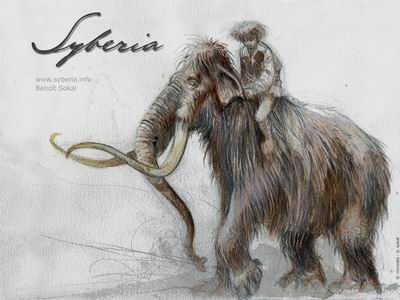 Sour cream is used as a base for sauces and almost always as a soup dressing for shchi, borsch, mushroom soup, okroshka, and other soups, as well as a base for sweet cake creams. Sour cream is used as a base for sauces and almost always as a soup dressing for shchi, borsch, mushroom soup, okroshka, and other soups, as well as a base for sweet cake creams.Mushrooms and other wild plants. Mushrooms are an important source of proteins and are an essential raw material in Siberian cuisine: they are used in Siberian cooking much more often than in Europe. Many a Siberian family can collect up to 700–1,100 pounds of various wild mushrooms over a typical season (June to the end of September) just for the family's use. Agaric mushrooms are used for pickling with such ingredients as brine, dill, horseradish, and garlic, and, sometimes, oriental spices like black pepper, bay leaf, and cloves are added. Only saffron milk cap, chanterelle, and sometimes Armillaria (honey mushrooms) are fried on their own or stewed with potatoes. Armillaria can also be dried together with all spongy mushrooms: cep, brown cap boletus, orange-cap boletus, mossiness mushroom, Boletus luteus. In addition to drying for later use for winter mushroom soup or frying, spongy mushrooms are fried or stewed with potatoes, added to kashas, baked with eggs, and used in various mushroom soups. Festive food. Patron saints' days, the so-called guliaschi den' (idle day) when nobody works, were planned well in advance. People made vodka and beer days ahead of time. Lots of guests from the neighborhood were invited into homes, and groups of people went from place to place visiting different houses. Every house had to prepare ample food, as in every house people were eating, drinking, singing, and dancing. Such holidays were only meant for married couples; young people were not entitled to take part in the feast. For such feasts people always made pancakes, honey-cakes, cookies, and various pastries. Meat-and fish-jelly and fish pie were some standards among a great number of other dishes. Before the guests approached the table, they would offer their good wishes to the hosts: "Bread on the table and salt on the table. Let it always be this way for you." After the meal and the merriment, parting guests would say: "Our Lord, save the hosts; give them good health, concord and ransom." A Chaldon funeral repast consisted of a minimum of twelve dishes. The first items on the menu were the kut'ya (boiled-rice funereal dish), then bliny, boiled eggs sliced in half, and okroshka (cold soup) with meat. Chicken and meat soups, mushrooms, corned beef, aspic, meat and chicken, boiled meatballs, and kashas followed. The last dish was fruit compote or berry kissel along with small pies or a big sweet pie. Strong drinks were not served. For the funeral repast usually all people who knew the deceased were invited. Then ninth day, fortieth day, and one year funeral repasts followed. For the ninth day repast, just relatives and those who were helping at the funeral and funeral party were in attendance; for the forty days meal, all who came for the ninth day and those who dug the grave attended. All who came to the funeral were invited to the one year repast. The table at a wedding celebration was especially rich: the party was three days long and cost a lot of money. A tale from the Tomsk province tells of a wedding party where everything was ready and in place, but the bride's previous boyfriend stole her away. As much money and effort had been spent in preparation for the party; the empty-handed bridegroom decided to marry another girl, saying: "Since everything is ready why should I throw out so much food?" Maslenitsa (Shrovetide) was the last week before Lent. Traditional foods for this time included bliny, fish, and caviar. The best food, including lots of meat, was prepared for Paskha (Easter). Traditionally painted eggs, kulich, and Paskha (the Easter cake) were also served. Christmas merrymaking took place over the course of three to four days. Pork gammons, chickens, and turkeys were cooked, as well as lots of pies with various fillings. General Changes and Foreign Foods In spite of political changes and the pressure of permanent shortages during the eighty years of Soviet rule, Siberians have preserved a large portion of their traditional culinary identity. A new, entrepreneurial approach is underway to market the foods of the region both for local consumption and for export. In the beginning of the twentieth century, European, especially French, influence was evident only in the cuisine of the upper classes and in restaurant cooking. It has now extended to the food customs of ordinary people, and some other influences have appeared as well. In cities, central Asian foods such as shurpa (meat and vegetable soup), bishbarmak (noodle and meat soup), shahslyk (small pieces of marinated meat grilled on sticks), manty (pasta stuffed with meat and onion, then steamed), and plov (rice pilaf and meat) are now quite popular. Many markets sell Korean prepared salads, and the basic Korean hot carrot salad is so popular that many Siberian families now own a special grater to cut carrots to make their own version of this salad at home. Young fern shoots that are salted, dried, or fresh became popular in the Altay region after locals started stocking it in the 1980s for orders from Japan. Perhaps of all the foreign influences now affecting the cuisine of Siberia, the foods of Japan and Korea are becoming the most widely accepted. Siberia's Aboriginal Peoples Historically all of the territory in Siberia can be divided into two large cultural (and economic) parts: the South—a region of ancient stockbreeding and agriculture, and the North—territories that have been populated by hunting, fishing, and reindeer-raising tribes. An overview of the cooking of the two major Siberian aboriginal ethnic groups, the Yakout (Saha) in eastern Siberia and the Khant of Finnic origin in western Siberia, may provide some idea of aboriginal Siberian cooking. Yakout (Saha) People Yakouts are of Turkish origin and number about 380,000 people. They follow the Christian Orthodox religion, but with some remnants of shamanism. Their country, Saha (Yakoutia), has one of the most severe climates in Siberia; it lies in the far northeastern part of Siberia and occupies an area of about 1.1 million square miles (which is about twelve times the size of Great Britain). Between the tenth and fifteenth centuries c.e., the Mongols forced Yakout tribes out of their homeland in the steppes of south Siberia. There is clear linguistic proof of the Yakouts' southern origin: their language has such words as khoy (ram) and khakhay (tiger), even though in their country both do not exist. The environment of Yakoutia is forest, steppes on the sandy frozen meadows, and thermokarst lakes (arctic lakes formed when water holds heat that thaws the permafrost below). People live mainly in the areas of river meadows. Yakouts are surrounded by various fishing, hunting, and reindeer-raising tribes. While the Yakout people have lived in this inclement climate over the centuries, they have not changed their traditional lifestyle of southern horse-and cattle-breeding nomads. Yakout horse, an extremely hearty breed, is the base of the traditional Yakout economy and their traditional cuisine. Yakout food is very rich in fats, including many milk, cream, and sour-milk products, and meat. Yakout people do not eat mushrooms. Milk products. The traditional Yakout breakfast is kuerchah —a kind of sweet Western-style yogurt that is made of fresh cream and red whortleberries (very sour fruit) whipped into a homogeneous paste. Kuerchah is also frozen to make little round cakes, which in some cases include sugar. Another Yakout breakfast dish is a cake of dried cottage cheese. Meat. The main meat for Yakouts is horseflesh, or more specifically, the meat of one-year-old colts. The horses graze all year on open pasture, in winter digging the food from under the snow, but the ones that are raised for meat are given extra food. Thus for a year, a Yakout family of six people eats one and a half carcasses of horseflesh, a half carcass of beef, and three to four pigs. Reindeer venison is not eaten as it is considered unfit for consumption. Soviet collective farms bred reindeer, sheep, and even camels; but these meats were never popular. The best khan (blood and milk pudding or sausage) is made from cow's milk and horseflesh (beef can be used but it is not as good). For spices, wild onion, garlic, and black pepper are added. These sausages are kept fresh-frozen, and boiled just before consumption. Soups and bread. The most characteristic and popular is the beef intestines and flour soup. A fish soup is made with crucian (a kind of carp). From the beginning of Russian colonization in the seventeenth century, wheat and rye were introduced to Yakoutia and have been grown successfully ever since. Traditional Yakout bread is an unleavened flat cake. Modern Yakouts eat also "Russian" yeast-raised bread and make thick pancakes rather than the wide variety of pies known to the other Siberians. As a dainty treat, traditional bread is cut into squares and mixed with cream made of milk and butter, then it is frozen. Vegetables. In modern times, Yakouts plant vegetables in greenhouses, but traditionally the Yakout people collected and preserved wild vegetables. Every spring they collected a lot of wild green onions that grew along the river Lena; these fresh onions were added to all dishes and were kept salted for year-round use. Wild garlic and some other plants were also collected. In springtime children eat the soft cones of larch trees, as these cones have a pleasant tart taste and contain a high quantity of vitamin C. Beverages. The Yakouts drink Chay (tea) with cream or milk all day long. Mors, a fruit drink made of red whortleberries, is consumed instead of water. There are also many sour-milk drinks, like milk whey and herbs (tansy, thyme, wormwood), which is drunk on hot summer days as a cooling and tonic drink. For an alcoholic drink, fermented mare's milk is preferred: it provides the basis of such drinks as koumiss (which includes herbs such as wormwood) and araghy. Festive food. Salamat, a ritual dish, is a type of rich buttery flour porridge. Salamat is served at weddings, house-warmings, funerals, and at many other important events. Since Yakouts are Russian Orthodox, funerals and funeral repasts are performed according to Russian Orthodox traditions. However, there is one important difference: all the personal possessions of the deceased have to be burned, only the most intimate belongings are put on top of the coffin, and what can not be burned is disposed of in the garbage. Khant People Until the 1930s, the Khant people were called Ostiak. Their dietary laws are very much influenced by their religion and taboos, and mystery and legend govern many of the Khant people's actions, including eating habits. For example, people of the beaver clan cannot eat beaver, and people of the elk clan cannot eat elk. Elk meat cannot be cut with a knife or even salted. The bear is a relative to all Khants and is considered the guardian of world order, arbitrator, and the judge. Especially sacred is the front part of the bear: no woman is allowed to touch it. Dogs must not have any access to a bear's bones, and bear bones are not cut or broken. The Khant people believe that if they follow all of these rules, then a consumed bear will regain his flesh and walk again in the forest. Boiling crucian in the same cauldron as other fish is also prohibited, because crucian is fish for the dead who live in the underworld. All things white are holy and belong to their god, and therefore cannot be eaten, such as swans, ermine, and albino deer. The cooking custom involving the burbot (a freshwater fish of the cod family) is also illustrative of the Khant people's reliance on tradition and mystery. Once burbot is caught, a Khant fisherman takes the fish's liver out through its mouth. If he succeeds in getting out all the liver, the rest of the flesh is eaten as well. But if the liver is cut and only a part of it is removed, the fish has to be released to the two sides of the world: the lower side (North) and upper side (South). The extracted liver is grilled on wooden sticks at the side of a bonfire. But the wood of the bonfire must be of the kind that is pleasing to the god. Willow wood is used for burbot liver cooking. The whole cuisine of the Khant people is based on the products of fishing and hunting. Fish are so important that even the bread of the Khants is made with the addition of fish powder, and the main source of fat in their cooking is fish oil. Khants drink chai (tea) and eat dry wild berries for sweets. See also Asia, Central ; Central Europe ; China ; Horse ; Japan ; Russia . BIBLIOGRAPHY Bolshaya Sovetskaya Enciclopedia [Large Soviet Encyclopaedia]. 3d ed., volume 17. Moskva: Sovetskaya Encyclopaedia, 1976. Bushkov, R. A., and F. G. Mazitova. Kazanskoy kuchni tsvet [Flower of Kazan' cooking]. Kazan': Tatarskoye Knizhnoye Izdatel'stvo, 1995. Cherepnin, V. L. Pischeviya rastenia Sibiri [The food plants of Siberia]. Novosibirsk, Izdatel'stvo "Nauka" sibirskoye otdelenie, 1987 Enciclopedischeskiy Slovar' Granat [Granat's Encyclopaedia], vol. 43, article on Siberia. Moskva: Tovarischestvo, Br. A. I. I. Granat I Ko, 1917. Enciclopedicheskiy Setovar' Brokgauza i Efrona [Brockhaus and Efron Encyclopaedia], vol. 29, article on Siberia–St. Petersburg: Izdatel'skoe Obschestvo F. A. Brokgauz–I. A. Efron, 1898. Litavar, V. V., and G. L. Kaydanov. Kak postroit' Pech, Kamin, Baniu [How to build a stove, a fireplace, or a bathhouse]. Minsk, Byelorussia: Uradjay Publications, 1990. Maynicheva, A. J. Osobennosti kul'tury zhizneobespechenia nemtsev v usloviyah inoetnichnogo okruzhenia – Upper Ob', pervaya tret' XXv [Characteristics of the life support of Germans in the foreign ethnic environment]. Available at http://www.Zaimka.ru/culture/maynich4.shtml. Maynicheva, A. J. Pitaniye Russkih Krest'yan Verhnego Priob'ya. Konets XIX–pervaya tret' XXvv [Food of Russian Farmers of Upper Ob'. End of XIX–First Third of XX Century]. Available at http://www.zaimka.ru/culture/maynich1.shtml. "Obozrevaya Okrestnosti" Priamurskie Vedomosti Vladivostok 25 (August 2000). Russkaya Kuhnia [Russian Cuisine]. Moskva: EKSMO, 1997, p. 7. Rodinson, Maxime, A. J. Arberry, and Charles Perry. Medieval Arab Cookery. Totnes, U.K.: Prospect Books 2001. Roumiantseva, Elena, and Dmitry Zhogolev. Kitayskaya kuhnia [Chinese cuisine]. Moskva: Mir knigi, 2000. Russkie [Russians] – Moscow: Izdatelstvo "Nauka," Rossiyskaya Akademia Nauk [Russia's Academy of Science], 1999 Scheglov, I. V. Chronologichesky perechen' vazhneishikh dannykh iz istorii Sibiri 1032–1882 [Chronological index of the most important facts of the Siberian history 1032–1882]. Sour-gout, AIIK: Severny Dom, 1993. Tikhonovich, Anatoly. Starinnaya Sibirskaya Kukhnia [Old Siberian cuisine]. 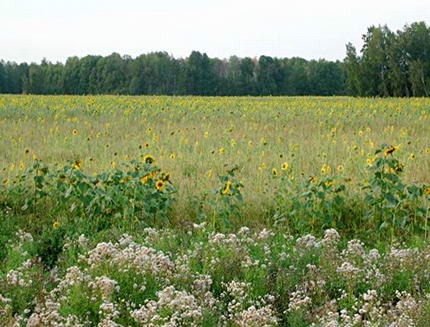
|
|
|
| Всего комментариев: 0 | |